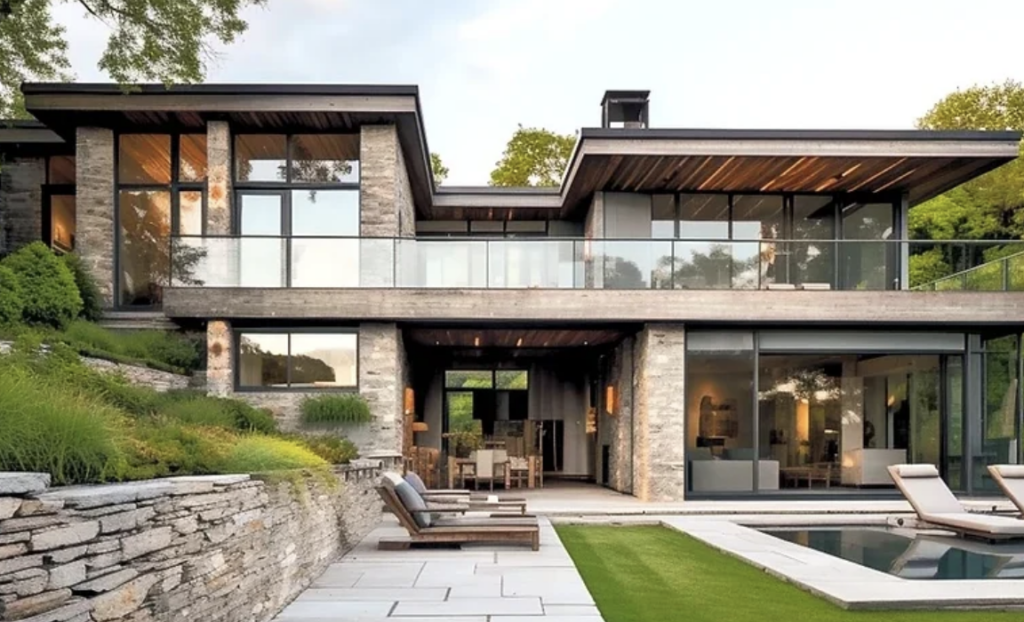
Building a new home comes with an exciting question early in the process: How much do you want to personalize?
For some buyers, finding a floor plan they already love and thoughtfully selecting finishes, features, and structural options is exactly the right fit. Others have a much more specific vision and want to shape nearly every part of the home around their lifestyle, architectural preferences, and homesite.
Both custom and semi-custom homes offer opportunities to create something personal, but the experience can vary widely depending on the builder. For buyers comparing Austin custom homes and semi-custom homes in Austin, TX, understanding those differences can make it easier to choose the building path that fits their priorities.
At Caliterra in Dripping Springs, buyers can explore several new-construction approaches, from thoughtfully designed homes by established builders to custom homesites paired with preferred luxury builders.
What Is a Semi-Custom Home?
A semi-custom home generally starts with an established floor plan rather than a blank page.
Buyers choose from plans the builder has already developed, then may have opportunities to personalize certain elements. Depending on the builder, those choices could include flooring, countertops, cabinetry, lighting, fixtures, exterior elevations, structural options, or selected layout changes.
For many move-up buyers, that balance can be appealing. You benefit from starting with a floor plan that has already been designed and refined, while still having opportunities to make the home feel more personal.
Semi-custom construction can also offer a clearer process. Instead of making every architectural decision from the ground up, buyers can focus on the options that matter most to them within the builder’s parameters.
What is available varies significantly from one company to another, so buyers should never assume two builders use the term “semi-custom” the same way.
What Is a Fully Custom Home?
A fully custom home takes personalization several steps further.
Instead of starting with a predetermined floor plan, the process typically centers on the homeowner’s vision, lifestyle, and homesite. Buyers may have greater freedom over everything from the home’s architectural style and room configuration to materials, finishes, specialized rooms, and outdoor living spaces.
For someone searching for custom homes in Dripping Springs, TX, the setting can become an important part of that design conversation.
A custom home might be positioned to capture a particular Hill Country view, bring more natural light into gathering spaces, create privacy around a primary suite, or connect the kitchen and living areas directly to an expansive patio and pool. Consider windows, porches, outdoor kitchens, fireplaces, and other elements in relation to the land itself.
The added freedom of custom construction usually means more decisions, collaboration, and planning, so it’s especially important to understand the process before you start.
Custom vs. Semi-Custom: What Are the Biggest Differences?
The biggest distinction is usually where you start.
With a semi-custom home, the builder has already established much of the design foundation. Buyers typically personalize from a menu of available floor plans, features, finishes, and modifications.
With a custom home, the homeowner’s vision plays a much larger role in determining the design from the beginning.
Decision-making can also differ. A fully custom project may involve conversations about architecture, site orientation, structural design, materials, interior finishes, outdoor spaces, and specialized features. Semi-custom buyers generally make fewer decisions within a more structured process.
Timeline and budget considerations may also vary. Greater personalization can require additional design time, specialized materials, engineering, or other planning. A more established floor plan may provide a clearer path through the building process.
However, “custom” and “semi-custom” are not universal industry definitions. What one builder considers a structural option may not be available with another, and some builders may allow substantial changes to existing plans.
Before committing, ask exactly what you can modify, what you can’t change, and how those choices affect pricing and timing.
Which Option Fits Your Lifestyle?
Neither path is automatically better. The right answer depends on what you want from the experience.
A semi-custom approach may make sense if you can already picture yourself living comfortably in one of a builder’s existing floor plans. The room arrangement may work perfectly, but you want to choose finishes, add certain features, or personalize the overall look.
Fully custom construction may be a better match when the vision is more specific.
Perhaps you need an unusual room configuration, want a dedicated multigenerational suite, have a particular architectural style in mind, or want the design to take full advantage of a distinctive homesite.
Ask yourself how involved you want to be in the process. How specific is your vision? Are there features you consider non-negotiable? Do existing floor plans already meet most of your needs, or do you often wish you could move walls, change room sizes, or rethink the design entirely?
Your answers can point you toward the level of personalization that makes the most sense.
Do Not Forget the Homesite
The home itself deserves plenty of attention, but the homesite can influence the final experience just as much.
Lot dimensions can affect which floor plans fit comfortably and how much outdoor space remains. Orientation may influence sunlight at different times of day. Trees, topography, nearby homes, privacy, and views can all shape where windows, patios, pools, and gathering areas make the most sense.
Hill Country buyers may especially want to think about the relationship between the home and the landscape.
Would you like your primary living spaces to overlook a backyard? Is a large covered patio an important part of your vision? Do you want enough land for a pool, outdoor kitchen, or additional gathering areas?
Caliterra currently offers custom homesites of approximately one acre or more, including lots in The Ridge and The Retreat. These larger homesites can accommodate features such as extensive patios, pools, and personalized home designs. Availability is subject to change.
Choosing the builder, home, and homesite together can help those individual decisions feel like parts of one cohesive plan.
Explore Different Paths to Building at Caliterra
One advantage of considering Caliterra custom homes is the multiple homebuilding approaches available in the same Dripping Springs community.
Caliterra’s broader builder collection currently includes David Weekley Homes, Drees Homes, Scott Felder Homes, LTB Design + Build, Atlas Custom Homes, and Alkire Construction.
David Weekley, Drees, and Scott Felder offer established home collections with different floor plans, homesite sizes, and design opportunities. Buyers who prefer a more fully customized experience can explore Caliterra’s custom homesites with preferred builders LTB Design + Build, Atlas Custom Homes, and Alkire Construction.
Having both paths available lets buyers decide how much personalization they want, rather than feeling locked into one type of new construction.
Whichever route you choose, you still get to live in Caliterra’s Hill Country setting. More than 250 acres of the community are devoted to natural surroundings, with Onion Creek, trails, parks, open spaces, and neighborhood amenities woven throughout Caliterra.
That means the decision can be about more than the house’s structure. Buyers can also consider how their new home fits into the broader lifestyle they want in Dripping Springs.
Questions to Ask Before Choosing a Builder
Before selecting a custom home builder near Austin, TX, or choosing a more structured new-construction process, ask detailed questions about what the experience includes.
Find out which parts of the floor plan you can change and whether structural modifications are allowed. Ask which finishes, fixtures, and materials you can select, and whether the home or community has architectural guidelines that affect those choices.
Also ask how changes are priced. Ask when you need to finalize selections, whether certain choices affect the construction schedule, and what happens if you decide to change something after a milestone.
Finally, discuss the anticipated design and construction timeline before committing.
Clear answers to those questions can make it much easier to compare builders based on the experience they provide rather than a label such as “custom” or “semi-custom.”
Build Your Version of Hill Country Living
Choosing between custom and semi-custom construction ultimately comes down to how you want your new home to take shape.
Some buyers want a thoughtfully designed floor plan with enough personalization to feel distinctly theirs. Others have a specific vision they want to develop from the ground up. Neither option is universally better.
The right approach depends on your priorities, budget, timeline, homesite, and desired level of involvement.
For buyers searching for luxury homes near Austin or new construction in Dripping Springs, Caliterra offers both options. Established builders offer a variety of thoughtfully designed homes and floor plans, while custom homesites and preferred custom builders provide another path for buyers seeking greater design freedom.
Explore Caliterra’s builders, available homes, and custom homesites to find the building experience that best fits your version of Hill Country living. Then schedule a community visit to see the possibilities in Dripping Springs for yourself.